
S\\\\\\\\\\\\\\\\\\\\\\\\\\\\\\\'engager pour votre sérénité
+33 (0)1 46 04 52 77

Managing Growth: CNI's Story

Posté par : Clarisse Maitre
Category: News, Testimonials
[Header article] témoignage de mission CNI

Based in Loire-Atlantique, CNI is an industrial company that designs and manufactures complex metal assemblies for demanding sectors such as shipbuilding, offshore, and aerospace. With extensive experience in technical, high-value-added projects, the company has experienced steady growth in recent years.

But this momentum eventually reaches its limits.


Within just a few fiscal years, revenue jumped from 8 million to 18 million euros, without any major restructuring of the organisation. “We were managing 18 million euros with an organisation designed for 8 million,” explains Richard Thiriet, a CNI shareholder.


At first, the model holds up. Then the first warning signs appear. Until it breaks down.

“We were in a dire situation… 80% of our outstanding loans were in the red,” says Pierre Sallenave, CEO of CNI. Unmanaged growth threw everything into disarray: inadequate oversight, HR tensions, and a loss of financial visibility.

The reality is clear to Pierre: “I didn’t have the keys anymore.”


In situations like this, interim management makes it possible to quickly restore leadership capabilities without undermining the company’s fundamentals.
A measure to better control growth

Faced with this urgent situation, the shareholders decided to engage Delville Management, an interim management firm. Their goal: to find someone capable of stepping in quickly, right at the heart of operations, while supporting the CEO in leading the transformation.


Among the candidates presented by Jean Baptiste Bouyer, Regional Director for Western France at Delville Management, the choice fell on Pascal Fuseau, an experienced interim manager (who has completed several assignments with Delville Management) with a proven track record in growth and transformation initiatives.


As soon as he arrives, one priority stands out: understanding the situation before taking action. “You have to listen to everyone to get a clear picture of the situation,” he explains.

It quickly becomes clear what the issue is. The challenge is not merely a matter of revising the organisation; it involves a fundamental transformation of how the company operates and is managed.

“This isn’t a reorganisation; it’s a cultural transformation.”

The company needs to change the way it operates. It must transition from an opportunistic management style—which is effective on a small scale—to a structured organisation capable of handling complexity.

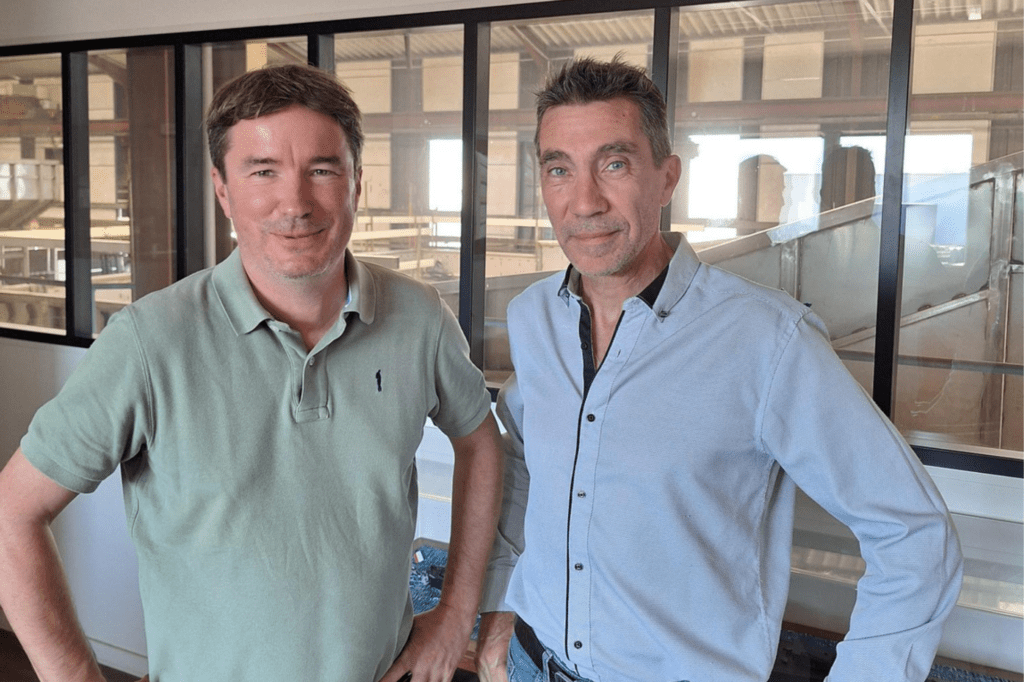
Pierre Sallenave et Pascal Fuseau

Organise without disrupting the flow

The transformation is underway on several fronts at once.


First, the basics of management:

  • processes are formalised, reviewed, or created;
  • key performance indicators are introduced;
  • A budget is being drawn up—a first for the company.

“We used to just go with the flow. Now, we plan ahead.”

The goal isn’t to overcomplicate things, but to tailor the tools to the company’s actual size. No overly complicated systems, just concrete guidelines to help with decision-making.


Next, the organisational structure. Roles have been clarified, and some have been redefined.

“People are the driving force,” says Pascal Fuseau. He is directly involved on the ground, engaging with teams, providing individual support, and helping them find their place within the new organisation. His efforts are aimed at helping everyone develop their skills and empowering teams in a sustainable way.

According to the interim manager, the principle is simple: it’s about getting the teams on board rather than imposing a model on them.

“They have the solutions; we just need to help them find them.”


Finally, significant work is being done on governance. A middle management layer is gradually taking shape. The first line managers are emerging.


This entire process is part of an ongoing initiative. Jean Baptiste Bouyer holds regular meetings with the client and the interim manager to take a step back, assess progress, and adjust the course as needed.

The real turning point: the leader's stance

Au-delà des outils et de l’organisation, c’est aussi la posture du dirigeant qui évolue en profondeur.


Until then, Pierre Sallenave had been deeply involved in day-to-day operations and had been directly managing the business. This model reached its limits as the company grew.

“Since Pascal Fuseau’s intervention, I no longer manage projects; I manage people.”


Change is happening here. Pierre Sallenave is stepping back and now relying on his teams to manage the business.

Pascal Fuseau is gradually facilitating this transition. He is establishing a support network, helping new managers settle into their roles, and assisting the executive in redefining his or her role.

This very practical approach helps establish a more robust and sustainable management system without disrupting the company’s operations.

Fast and long-lasting results

The first results are visible within a few months.

From the very first weeks, the transitional structure has helped stabilise the situation. “We’re on the right track… and things are moving quickly,” notes the executive.

Then came the financial results. The company returned to profitability the following year, with an organisational structure now aligned with its level of activity.


Beyond the numbers, the change is evident in day-to-day operations: greater transparency, proactive decision-making, and empowered teams.

“Today, I feel calm and have a sense of direction,” says Pierre Sallenave.


This type of assignment illustrates how interim management can ensure a smooth transition through a critical phase while laying the groundwork for the future.


At CNI, the transformation is not yet fully complete, but the foundation is solid, and we are on track.

For the shareholders, the intervention was decisive. Richard Thiriet describes it as “vital.”

Writing:

Article written by: Clarisse Maître

Share this article
on LinkedIn :